
Château Renovation Checklist Before You Buy in France | TH Architecture
Planning to buy a château in France? Use this château renovation checklist to assess the property’s condition, renovation potential, costs, and planning requirements before making an investment.
CHATEAU RENOVATION
Tim harris
7/19/20263 min read
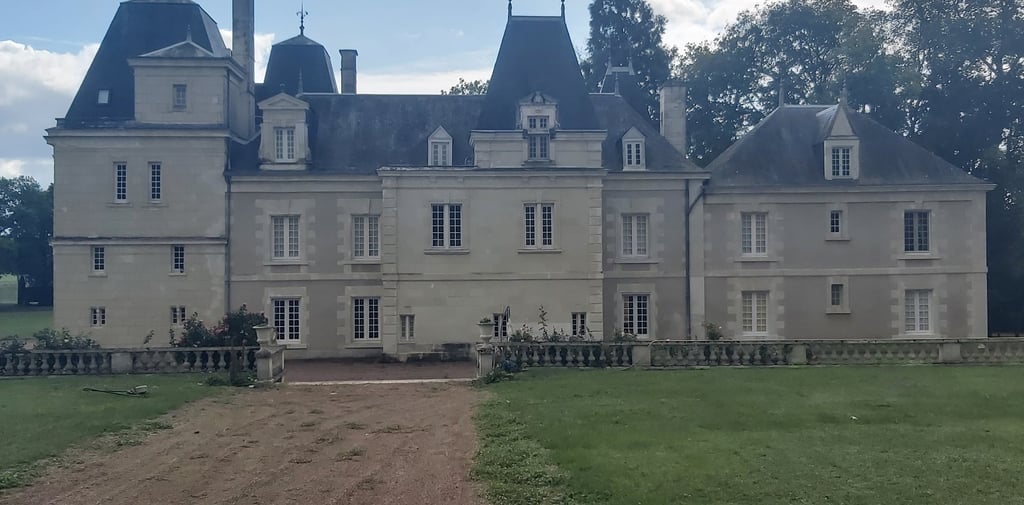
Buying a château in France is an exciting opportunity, but it is also a significant investment. While the architecture, history, and character of these properties are undeniably appealing, many buyers underestimate the complexity of renovating them.
A beautiful façade can conceal structural issues, outdated services, planning restrictions, or costly repairs. Carrying out the right checks before purchasing can help you make an informed decision and avoid expensive surprises later.
This château renovation checklist highlights the key factors every buyer should consider before signing a purchase agreement.
1. Assess the Structural Condition
The structure of the building should always be your first priority. Look beyond decorative features and carefully inspect the property’s overall condition. Pay particular attention to:
Roof condition
Load-bearing walls
Foundations
Timber beams
Floors and ceilings
Signs of movement or cracking
Damp and water damage
Some issues may appear minor but could require extensive structural work once renovation begins. An experienced architect can help determine whether the building is fundamentally sound and identify potential risks before purchase.
2. Understand Heritage Restrictions
Many French châteaux are protected because of their historical or architectural significance. Depending on the property’s status, there may be restrictions on:
External alterations
Windows and doors
Roofing materials
Extensions
Interior features of historical importance
Understanding these requirements early helps you evaluate whether your renovation plans are realistic.
3. Evaluate the Existing Services
Older properties often require complete upgrades to modern standards. Before purchasing, check the condition of:
Electrical systems
Plumbing
Heating
Drainage
Insulation
Ventilation
Replacing outdated infrastructure should be factored into your renovation budget from the beginning.
4. Consider the Layout
Many historic châteaux were designed centuries ago and may not suit modern living without thoughtful redesign. Ask yourself:
Does the layout meet your needs?
Can rooms be adapted without affecting the building’s character?
Is there enough natural light?
Can indoor and outdoor spaces be connected more effectively?
A successful renovation respects the property’s heritage while making it practical for contemporary lifestyles.
5. Inspect the Grounds
The surrounding land is just as important as the building itself. Consider:
Driveways and access
Drainage
Existing trees
Gardens
Outbuildings
Swimming pool potential
Future landscaping opportunities
The landscape should support the overall vision for the property.
6. Understand Planning Requirements
Planning regulations vary depending on the property’s location and heritage status. Before purchasing, investigate whether your plans may require:
Planning permission
Heritage approvals
Environmental assessments
Additional local authorisations
Understanding the approval process early can save considerable time during the renovation.
7. Estimate Renovation Costs Realistically
Many buyers focus solely on the purchase price. However, renovation costs can often exceed initial expectations. Your budget should include:
Structural repairs
Restoration works
Mechanical and electrical upgrades
Interior finishes
Landscape improvements
Professional fees
Contingency allowance for unforeseen issues
A realistic financial plan is essential before committing to the purchase.
8. Think About Long-Term Value
The best renovation projects are not simply about restoring a building. They create a property that is enjoyable to live in while protecting its architectural significance and increasing its long-term value. Before buying, consider:
Future maintenance requirements
Energy efficiency improvements
Lifestyle needs
Potential resale value
Opportunities to enhance the property’s appeal
These decisions are easier and more cost-effective when made before renovation begins.
Why Involve an Architect Before You Buy?
Many buyers wait until after purchasing a château before consulting an architect. In reality, involving an architect during the buying process can help you make a more informed investment.
An early architectural assessment can identify:
Structural concerns
Renovation opportunities
Heritage constraints
Design possibilities
Budget implications
Planning considerations
This allows you to move forward with greater confidence and a clear understanding of the property’s potential.
How TH Architecture Can Help
At TH Architecture, Timothy Harris works with buyers across France to assess the renovation potential of historic properties before work begins.
From initial feasibility advice to complete architectural design, every project is approached with careful consideration of the building’s history, character, and future.
Whether you are purchasing your first château or adding to an existing property portfolio, professional guidance at the earliest stage can help you avoid costly mistakes and unlock the full potential of your investment.
Conclusion
Buying a château is about far more than falling in love with the building. A thorough château renovation checklist helps you understand the property’s condition, renovation requirements, planning considerations, and long-term potential before making one of the biggest investments of your life. The earlier these questions are answered, the smoother your renovation journey is likely to be.
Ready to Assess a Château Before You Buy?
If you are considering buying a château in France, TH Architecture can provide expert architectural advice before you commit to the purchase.
Timothy Harris works closely with buyers to evaluate renovation opportunities, identify potential challenges, and develop practical design strategies that respect the property’s heritage while creating exceptional places to live.
FAQs
Should I hire an architect before buying a château?
Yes. An architect can identify structural concerns, planning restrictions, renovation opportunities, and likely costs before you complete the purchase.
How do I know if a château is worth renovating?
A professional assessment of the building’s structure, heritage status, layout, and renovation potential provides the clearest picture of whether the investment is worthwhile.
Are all French châteaux protected buildings?
No. Some have heritage protection, while others have fewer restrictions. The level of protection should always be confirmed before purchasing.
What is the biggest mistake buyers make when purchasing a château?
Many buyers underestimate the scope and cost of renovation work. Carrying out detailed assessments before buying helps reduce unexpected expenses and project delays.
English address: 16 Bronwen Crabtree Drive, Givons Grove, Leatherhead
French address: 2 Rue Paul Riquet, Fontiers Cabardès
+33634540127
+33430341314
contact@t-h-architecture.com