
Cost of Château Renovation in France: What Buyers Should Expect
Cost of Château Renovation in France is explained for foreign buyers, including budgets, timelines, key factors, and professional guidance for successful projects.
CHATEAU RENOVATION
1/25/20263 min read
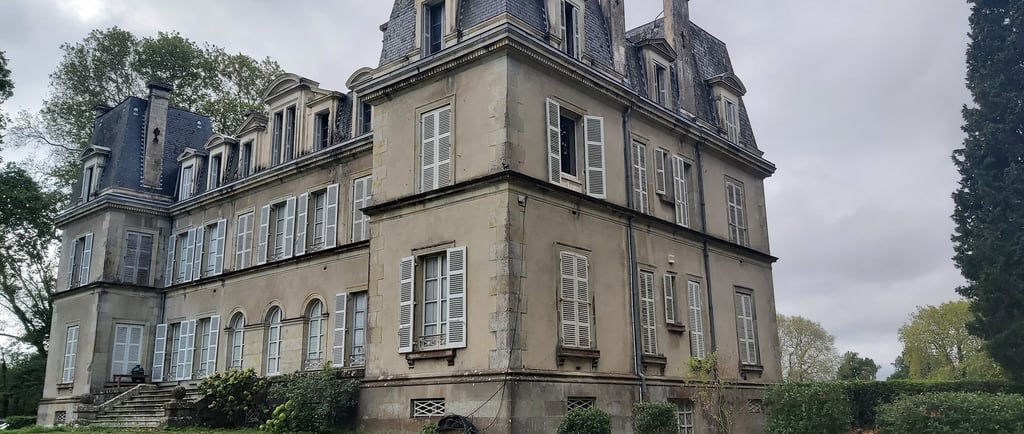
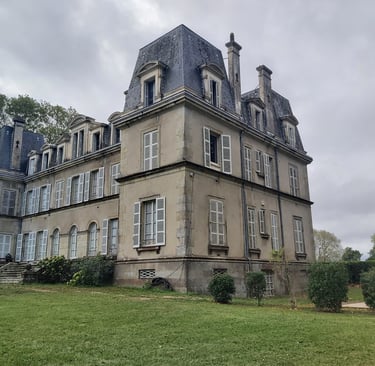
Renovating a château in France is a major investment, both financially and emotionally. For international buyers, one of the first and most important questions is the cost of château renovation in France and the honest answer is that it varies widely.
The final budget depends on the condition of the property, heritage restrictions, design ambition, and how the renovation is managed from the outset. This guide explains the real cost factors, what to budget for, and how to avoid expensive mistakes.
What Determines the Cost of Château Renovation in France
No two châteaux are the same. Renovation costs are shaped by several key factors that should be assessed before committing to a purchase or design.
1. Heritage Classification
Many châteaux are listed or partially protected. Heritage status affects:
Materials that must be used
Construction techniques
Approval processes
Design flexibility
Protected properties often require specialist craftsmanship, which increases cost but preserves long-term value.
2. Size and Condition of the Château
Larger châteaux naturally involve higher renovation costs. Structural condition is equally important:
Roof and masonry repairs
Structural reinforcement
Damp and foundation issues
Hidden defects are common and can significantly affect budgets if not identified early.
3. Scope of Renovation
Costs differ depending on whether the project involves:
Light refurbishment
Full structural renovation
Extensions or spatial reconfiguration
Modern services integration
Projects that aim to combine historic character with modern comfort typically require careful architectural planning.
Typical Cost Ranges for Château Renovation
While every project is unique, the cost of château renovation in France is generally higher than standard residential renovation due to scale, heritage requirements, and specialist labor.
Cost Categories to Budget For
Structural works
Covers essential elements like roofs, walls, foundations, and any load-bearing repairs.Heritage materials
Includes stone, timber, and traditional finishes required to maintain the property’s historic character.Architectural services
Design development, technical drawings, planning support, and regulatory compliance.Planning & approvals
Costs for permits, legal clearances, and coordination with heritage authorities.Interior renovation
Space layouts, electrical and plumbing services, and interior finishes.Contingency
Reserved for unforeseen repairs, hidden damage, and necessary adjustments discovered during restoration.
.
Architectural Fees and Professional Costs
Architectural involvement is not optional for château renovation. Professional fees typically cover:
Feasibility and design studies
Planning applications
Heritage authority coordination
Technical documentation
Site supervision
Early architectural input often reduces overall cost by identifying risks and preventing costly design errors.
How Long-Term Costs Are Affected by Early Decisions
Choosing cheaper solutions early in a château renovation often leads to higher long-term costs. Poor material choices, insufficient thermal upgrades, or rushed approvals can result in:
Higher maintenance expenses
Energy inefficiency
Future compliance issues
A well-planned renovation balances upfront cost with long-term performance and value.
Managing Renovation Costs as a Foreign Buyer
International buyers face additional challenges, including distance, language barriers, and unfamiliar regulations. Poor coordination can quickly inflate costs.
Working with an English-speaking architect in France helps ensure:
Clear budget planning
Transparent decision-making
Proper sequencing of works
Local oversight and control
This structured approach protects both the budget and the project timeline.
How to Control the Cost of Château Renovation in France
Cost control starts before purchase and continues throughout the project:
Conduct a pre-purchase architectural survey
Define a clear renovation strategy
Secure planning approvals early
Work with experienced heritage professionals
Maintain realistic contingencies
These steps significantly reduce financial risk.
Final Thoughts on Château Renovation Costs
The cost of château renovation in France reflects the complexity, craftsmanship, and responsibility involved in restoring historic properties. With proper planning and professional guidance, renovation can be both financially viable and deeply rewarding.
For international buyers, clarity, expertise, and structured project management are essential to success.
Work With an Experienced Château Renovation Architect
Timothy Harris is one of the few English-speaking architects in France specialising in château and heritage renovations for international clients. His work has been featured in Forbes, and he is trusted by property owners across the UK, USA, Europe, and Asia to manage complex renovation projects with clarity and care.
If you are considering a château renovation and want a clear understanding of costs, feasibility, and next steps, Timothy Harris offers an initial consultation to discuss your project in detail.
FAQs
What is the cost of château renovation in France?
Costs vary depending on size, condition, heritage status, and scope of work. Professional assessment is essential.
Are château renovations more expensive than house renovations?
Yes. Scale, heritage requirements, and specialist labour typically increase costs.
Do foreign buyers face higher renovation costs?
Not necessarily, but poor planning and lack of local oversight can increase expenses.
Can renovation costs be estimated before purchase?
Yes. A pre-purchase architectural survey provides early clarity on feasibility and budget.
Book Your Free Consultation
English address: 16 Bronwen Crabtree Drive, Givons Grove, Leatherhead
French address: 2 Rue Paul Riquet, Fontiers Cabardès
+33634540127
+33430341314
contact@t-h-architecture.com