
New Energy Regulations in France 2026: What Homeowners Must Know
New Energy Regulations in France 2026 explained, including DPE rules, rental restrictions, energy renovation requirements, and how homeowners must comply.
2/5/20262 min read
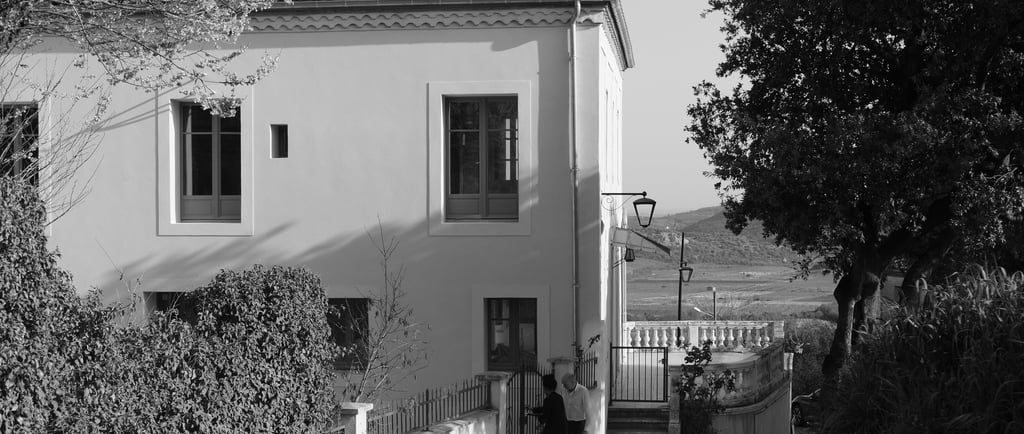
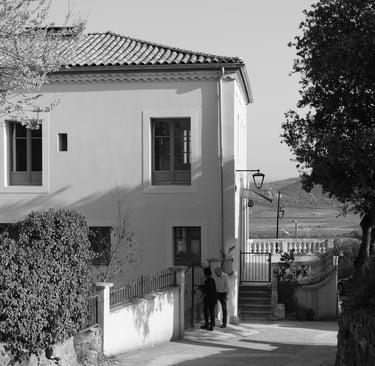
The New Energy Regulations in France 2026 are reshaping how residential properties are renovated, rented, and sold. For homeowners, especially those with older properties, understanding these changes is now essential. Energy performance is no longer optional. It directly affects property value, rental eligibility, and long-term investment security.
Why Energy Regulations Are Changing in France
France continues to tighten environmental standards to reduce carbon emissions and improve housing efficiency.
The updated framework in 2026 builds on existing DPE regulations that France already introduced in previous years. Properties with poor energy ratings face increasing restrictions.
This means homeowners must pay closer attention to:
Insulation standards
Heating systems
Energy consumption levels
Thermal performance
What Is the DPE, and Why Does It Matter?
The energy performance certificate France (DPE) rates properties from A (highly efficient) to G (very inefficient).
Under the new energy regulations in France in 2026:
F-rated properties face stricter rental limitations
G-rated properties may be restricted from being rented
Energy improvement deadlines are tightening
For property owners, especially landlords, improving the DPE rating is becoming a legal necessity.
What Happens to F- and G-rated Properties in 2026?
Properties classified as F and G, often older homes or historic buildings, are under increasing pressure.
The government is enforcing progressive restrictions on:
Renting inefficient homes
Increasing rental value
Selling without energy transparency
For many owners of F- and G-rated property in France, renovation is no longer about comfort; it is about compliance.
Energy Renovation in France: What Homeowners Should Expect
Energy renovation in France now focuses on measurable performance improvement, not just cosmetic upgrades.
Typical improvements include:
Roof and wall insulation
Window replacement
Heating system upgrades
Ventilation improvements
Thermal bridge correction
However, these upgrades must be carefully designed, especially in historic or rural properties, where structural and heritage considerations apply.
How the 2026 Energy Rules Affect House Renovation Projects
Under the new energy regulations in France 2026, renovation projects are increasingly evaluated based on energy impact.
When applying for:
Planning permission
Major renovation works
Change of use applications
Energy performance is now part of the broader compliance discussion.This means renovation strategy should integrate energy upgrades from the beginning rather than as an afterthought.
Can Historic and Rural Properties Comply?
Many rural houses, farmhouses, and historic buildings struggle with modern energy standards.
Improving efficiency while preserving character requires:
Sensitive insulation methods
Breathable materials
Appropriate heating solutions
Architectural oversight
Poorly designed upgrades can damage historic structures or create moisture problems. Professional architectural coordination ensures energy renovation complies with both performance and preservation standards.
Should Homeowners Act Now?
Yes. Waiting may result in:
Reduced rental options
Lower property value
Higher future renovation costs
Limited contractor availability
Planning early allows homeowners to:
Phase improvements strategically
Aligns with regulatory deadlines
Protect long-term investment value
Practical Steps for Homeowners in 2026
If you own property in France, consider:
Reviewing your current DPE rating
Identifying weak energy areas
Assessing renovation feasibility
Integrating energy upgrades into broader renovation plans
Energy performance is no longer separate from architecture; it is central to it.
Professional Support for Energy Renovation in France
Energy renovation requires technical understanding of structure, insulation strategy, planning compliance, and long-term performance.
TH Architecture works with homeowners across France to integrate energy improvements into renovation and restoration projects while respecting both regulations and architectural integrity.
If you are affected by the New Energy Regulations in France 2026 and need guidance on how to upgrade your property responsibly, contact TH Architecture to discuss your renovation strategy.
FAQs
What are the New Energy Regulations in France in 2026?
They introduce stricter enforcement of energy performance standards, particularly for low-rated properties under the DPE system.
Can I still rent an F-rated property in 2026?
Rental restrictions are tightening, and continued non-compliance may limit your ability to rent.
Do historic homes need to comply?
Yes, although methods of compliance may vary depending on heritage protections.
Is energy renovation mandatory?
For certain properties, especially rentals, energy upgrades are increasingly becoming legally required.
Contact Us Today
Unsure How the 2026 Energy Regulations Affect Your Property?
English address: 16 Bronwen Crabtree Drive, Givons Grove, Leatherhead
French address: 2 Rue Paul Riquet, Fontiers Cabardès
+33634540127
+33430341314
contact@t-h-architecture.com