
Restoration vs Renovation Historic Properties: What Works Best
Restoration vs renovation historic properties explained. Learn key differences, risks and best approach for heritage property renovation to protect value and ensure compliance.
HOUSE RENOVATION
4/14/20262 min read
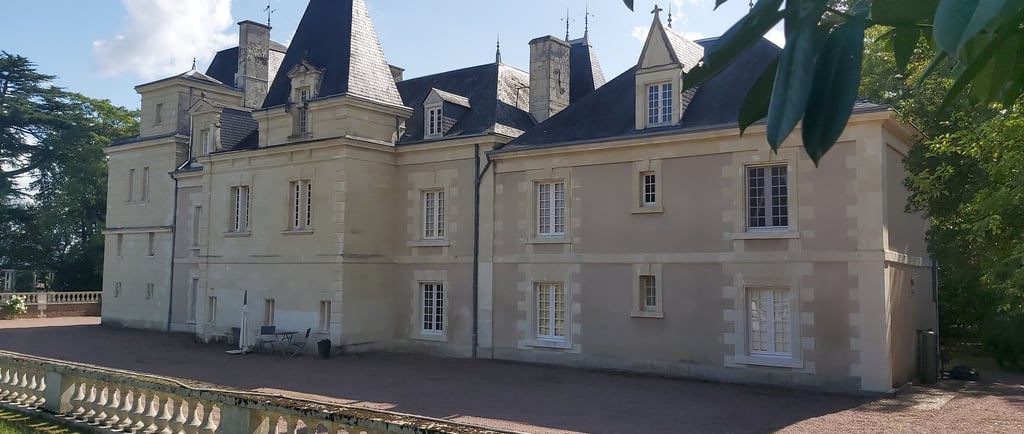
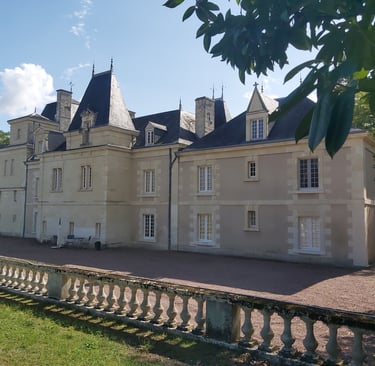
Historic properties require a very different approach compared to standard buildings. The decision between restoration vs renovation historic properties is not just technical. It directly affects compliance, long-term value, and the success of the project.
Many property owners misunderstand the difference and take decisions that later create structural, legal, or design issues. Understanding the right approach from the beginning is essential.
Understanding The Difference
Restoration focuses on preserving the original state of a historic building. The goal is to retain architectural features, materials, and character with minimal alteration. Renovation, on the other hand, allows modification. It adapts the property for modern use, often changing layouts, systems, and finishes. This distinction is critical. Choosing the wrong approach can affect approvals, costs, and the integrity of the building.
When Restoration Is Required
Restoration is often necessary when dealing with protected or listed historic properties. In many cases, regulations require the building to be preserved as closely as possible to its original form.
This applies to:
Listed buildings
Heritage-protected zones
Architecturally significant structures
In such cases, changes are limited and must follow strict guidelines.
When Renovation Makes More Sense
Renovation is suitable when the building allows adaptation and modernisation. This is common in unlisted historic properties or those with fewer restrictions.
Renovation allows:
Improved functionality
Updated layouts
Modern systems integration
Better usability
However, it still requires sensitivity to the existing structure.
Key Risks Of Choosing The Wrong Approach
Many projects fail because the approach is not aligned with the property.
Common issues include:
Rejection of planning applications
Damage to original structure
Increased costs due to rework
Loss of property value
These risks are avoidable with the right strategy.
Structural And Technical Considerations
Historic properties often have hidden complexities. Materials, construction techniques, and ageing structures require careful handling.
Key factors include:
Structural stability
Moisture and ventilation
Compatibility of materials
Load-bearing elements
Ignoring these elements in a standard renovation approach can lead to long-term damage.
Planning And Compliance Requirements
Historic property renovation is closely linked to regulations. Authorities may impose restrictions on what can be changed and how.
This includes:
External appearance
Materials used
Structural modifications
Interior features in some cases
Failure to comply can delay or block a project.
Choosing The Right Strategy
The decision between restoration vs renovation historic properties should not be based on preference alone. It must consider:
Legal status of the building
Structural condition
Intended use
Long-term viability
A clear strategy ensures the project moves forward without complications.
Role Of An Architect
An architect plays a critical role in historic property projects. They help bridge the gap between preservation and modern requirements.
They provide:
Building assessmen
Strategy definition
Compliance management
Coordination of works
This reduces risk and ensures a controlled process. Restoration vs renovation of historic properties is a decision that shapes the entire project. Choosing the right approach ensures the building is preserved, functional, and compliant.
A structured, informed strategy is essential to avoid costly mistakes and achieve a successful outcome. TH Architecture works on historic property renovation and restoration, helping property owners define the right approach from the start.
If you are planning a project, discuss your property to determine with us/
FAQs – Restoration vs Renovation Historic Properties
What is the main difference between restoration and renovation?
Restoration preserves original features, while renovation allows modification and modernisation
Can you renovate a listed historic property?
In most cases, only limited changes are allowed and must follow strict regulations.
Which approach is better for old houses?
It depends on the building’s status, condition, and intended use.
Do historic properties always require restoration?
Not always. Some allow renovation, but it must be done carefully.
English address: 16 Bronwen Crabtree Drive, Givons Grove, Leatherhead
French address: 2 Rue Paul Riquet, Fontiers Cabardès
+33634540127
+33430341314
contact@t-h-architecture.com