
DPE and Château Renovation: Improve Energy Performance Without Damaging Heritage
DPE and château renovation in France require a careful balance between energy performance and heritage. Learn how to improve efficiency without damaging historic character.
CHATEAU RENOVATION
Timothy Harris
8/29/20267 min read

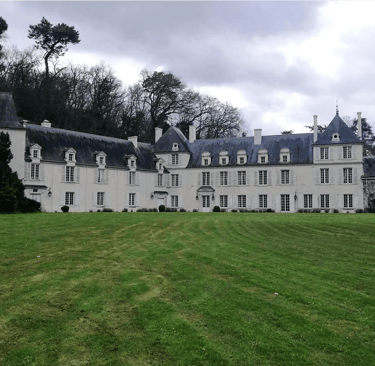
Improving the energy performance of a château in France is not the same as renovating a modern house. Historic buildings were constructed using materials, proportions and techniques that developed long before today's energy standards existed. Thick stone walls, lime mortar, timber structures, traditional windows and large rooms all behave differently from the construction systems used in modern homes.
At the same time, owners of French châteaux are increasingly looking at energy performance, running costs, comfort and DPE ratings when planning renovation work.
The challenge is finding the right balance. A successful DPE château renovation should improve the building's performance without destroying the architectural features that make the property valuable in the first place. It warns against applying systematic solutions such as external insulation, replacing all historic windows or installing solar panels without considering the property's heritage and landscape value.
What Does DPE Mean for a Château in France?
The Diagnostic de Performance Énergétique, or DPE, is France's standard assessment of a property's energy performance and greenhouse gas emissions. For many residential properties, the DPE is an important consideration when selling or renting. The rating is based on energy consumption and emissions, with the poorer of the energy and greenhouse gas emissions ratings determining the final classification.
However, not every château is treated in exactly the same way. The French Ministry of Culture confirms that classified or registered historic monuments are exempt from the DPE requirements under the relevant provision of the French construction and housing code. This distinction is important for château owners. Before planning a renovation around a DPE rating, it is worth establishing the property's exact legal and heritage status.
DPE France 2026: What Owners Should Know
The DPE calculation changed in France on 1 January 2026. The energy-primary conversion factor for electricity was reduced from 2.3 to 1.9. This change means some electrically heated properties can receive an improved DPE classification without carrying out additional work.
This matters when evaluating a château renovation project. If a property already has a DPE, owners should establish whether its rating can be updated under the new calculation before deciding which energy renovation measures are necessary.
The government also states that existing DPEs remain valid and that owners can obtain an official updated label where applicable. In other words, do not automatically start a major renovation simply because an older DPE appears disappointing. First understand what the current assessment actually says.
Why Château Renovation Is Different From Standard Energy Renovation
A modern house can often be upgraded using standard insulation systems and replacement products. A château is different. Its walls may have been designed to manage moisture naturally. Its windows may form an important part of the façade. Its roof structure may contain historic timber. Its stonework may contribute to the building's thermal mass and appearance. Changing one element can affect another. For example, sealing a building without considering ventilation and moisture movement can create problems within traditional construction. Likewise, installing an inappropriate insulation system can interfere with the way historic walls manage moisture.
This is why energy renovation château France projects need to begin with an understanding of the existing building rather than a list of standard energy measures.
Start With The Building, Not The Products
The first question should not be:
"Which insulation should I install?"
It should be:
"How does this château actually work?"
An architectural assessment can examine the building's construction, orientation, ventilation, thermal mass, moisture behaviour and existing services. The Ministry of Culture recommends this type of preliminary analysis and specifically highlights the importance of understanding factors such as inertia, ventilation and thermal bridges before deciding on energy renovation measures. This creates a much stronger foundation for the renovation strategy.
Insulating A Château Without Losing Its Character
Insulation can make a major difference to energy performance, but where and how it is installed matters. External insulation may be inappropriate where it would alter an important historic façade or architectural detail. Internal insulation can sometimes offer an alternative, but it also needs to be designed carefully around moisture, junctions, floors, ceilings and existing materials.
There is no universal insulation solution for every château. The right approach depends on the construction and heritage value of the individual property.
Should You Replace Historic Windows?
Windows are often one of the most visible features of a château. Replacing every historic window with modern units may improve certain aspects of performance, but it can also fundamentally change the appearance and character of the building. Before replacing original windows, it is worth considering whether they can be:
Repaired rather than replaced
Draught-proofed
Improved through secondary glazing
Upgraded sensitively
Retained alongside discreet modern interventions
The Ministry of Culture specifically warns against systematic replacement of historic windows where this could damage the heritage value of the building. The best solution is therefore not always the newest window. Sometimes the best solution is to preserve what already works and improve it intelligently.
Heating Systems Can Have A Major Impact
Heating is another important part of château renovation. Large historic properties can have substantial heating requirements, particularly where rooms are large and ceilings are high. Changing the heating system can therefore offer significant opportunities to improve energy performance. However, the choice should be based on the building's characteristics rather than simply installing the latest technology. The renovation strategy may need to consider:
Existing heating infrastructure
Insulation levels
Building occupancy
Hot water requirements
Ventilation
Energy source
Future maintenance
The objective should be to create a system that works with the building rather than forcing the building to work around the system.
Improve Energy Performance Through The Roof
The roof is often one of the most important areas to investigate in a château renovation. Heat loss through poorly insulated roof spaces can be significant, while roof structures themselves may contain valuable historic materials. Improving roof insulation can therefore be effective, but the intervention needs to protect the existing structure and allow appropriate ventilation. For a heritage property, preserving the roof's external appearance can be just as important as improving its thermal performance.
Summer Comfort Matters Too
Energy renovation is not only about keeping a château warm in winter. Summer overheating is becoming increasingly important across France, particularly in regions such as Occitanie, Nouvelle-Aquitaine and other warmer parts of the country. Historic buildings can sometimes have natural advantages because of their mass, orientation, shutters and ventilation patterns.
A renovation should understand these existing qualities before replacing them with mechanical solutions. Good design can use:
Shading
Natural ventilation
Existing thermal mass
Appropriate glazing
External shutters
Landscape design
to improve summer comfort while maintaining the building's character.
What About A Château With A Poor DPE?
A poor DPE does not automatically mean the property needs to be stripped back and rebuilt. The first step is to understand why the building has received its rating.
The problem may relate to heating, insulation, hot water, windows, ventilation or several factors working together. A renovation strategy can then prioritise interventions that provide meaningful improvements while protecting important architectural features. For a historic property, this measured approach is usually more appropriate than applying the same renovation package used for a modern house.
Energy Renovation Can Also Protect Long-Term Value
Energy performance is becoming increasingly relevant to property owners and buyers. A château that is more comfortable, easier to operate and better adapted to modern expectations can become more attractive without sacrificing its historic identity. The objective is not to turn a château into a modern building. It is to make the historic building work better for the next generation.
Why Specialist Architectural Advice Matters
A château renovation involves decisions that can affect the building for decades. An architect with experience in historic properties can bring together architectural design, energy performance, heritage considerations and practical construction requirements. This can help owners avoid the common mistake of treating energy efficiency and heritage preservation as competing objectives. In reality, the two can work together when the renovation strategy begins with a detailed understanding of the building.
How TH Architecture Approaches Château Renovation
TH Architecture works with owners of historic and character properties across France, developing renovation strategies that balance contemporary comfort with the architectural qualities of the existing building. Timothy Harris approaches château renovation as a complete architectural process rather than simply a programme of energy upgrades.
The focus is on understanding the property first, identifying where meaningful improvements can be made and developing interventions that respect its proportions, materials, character and surroundings. This approach is particularly important for owners who want to improve energy performance without turning a historic château into something that no longer feels authentic.
What Should You Do Before Renovating A Château For DPE?
Before committing to major energy renovation work, owners should establish the property's exact situation. A sensible process is to:
Check the current DPE and whether the 2026 calculation affects the rating
Establish whether the building has heritage protection
Assess the construction and condition of the existing building
Identify the main sources of energy consumption
Review heating, ventilation and hot water systems
Consider summer comfort as well as winter performance
Develop a renovation strategy before selecting individual products
This approach creates a much clearer path forward.
Conclusion
Improving the DPE of a château in France is not simply about adding insulation, replacing windows or installing new heating. Historic buildings require a more careful approach. The most successful DPE château renovation projects begin by understanding how the existing building works and then identifying improvements that increase comfort and energy performance without damaging its architectural or heritage value.
With the right architectural strategy, energy efficiency and historic preservation do not have to be opposites. They can become part of the same long-term vision for the property.
TH Architecture helps owners across France approach château and heritage renovations with a balance of architectural quality, modern comfort and respect for the existing building. If you are considering improving the energy performance of a château, contact Timothy Harris to discuss the property, its constraints and the opportunities for a carefully considered renovation.
FAQs
Does every château in France need a DPE?
No. Classified and registered historic monuments are exempt from DPE requirements under the relevant provision of the French construction and housing code. The exact status of the property should therefore be established before relying on a DPE requirement.
Did the DPE calculation change in 2026?
Yes. From 1 January 2026, France reduced the electricity primary-energy conversion factor used in the DPE from 2.3 to 1.9. This can improve the rating of some electrically heated properties without additional renovation work.
Should I replace the original windows in a château to improve its DPE?
Not necessarily. Historic windows may have significant architectural value and can sometimes be repaired or upgraded rather than completely replaced. The appropriate solution depends on the building and its heritage significance.
Is external insulation suitable for an old château?
It can be inappropriate where it would damage historic façades or architectural details. The Ministry of Culture specifically recommends avoiding systematic external insulation where it would compromise heritage value.
How can I improve the energy performance of a château without changing its appearance?
Potential approaches can include improving roof insulation, upgrading heating systems, improving ventilation, repairing or discreetly upgrading windows, managing solar gain and addressing air leakage. The right combination depends on the individual building.
Can an old stone château be made more energy efficient?
Yes, but traditional stone construction requires careful analysis. Moisture behaviour, thermal mass, ventilation and the compatibility of insulation materials should all be considered before work begins.
Should DPE improvements be planned before château renovation?
Yes. Energy performance should be considered alongside structural, architectural and heritage issues from the beginning rather than added as a separate stage at the end.
English address: 16 Bronwen Crabtree Drive, Givons Grove, Leatherhead
French address: 2 Rue Paul Riquet, Fontiers Cabardès
+33634540127
+33430341314
contact@t-h-architecture.com