
Is It Cheaper to Renovate a Chateau or Buy One Already Restored?
Is it cheaper to renovate a chateau or buy one that is already restored? Compare costs, risks, and long-term value before investing in a chateau in France.
6/11/20263 min read
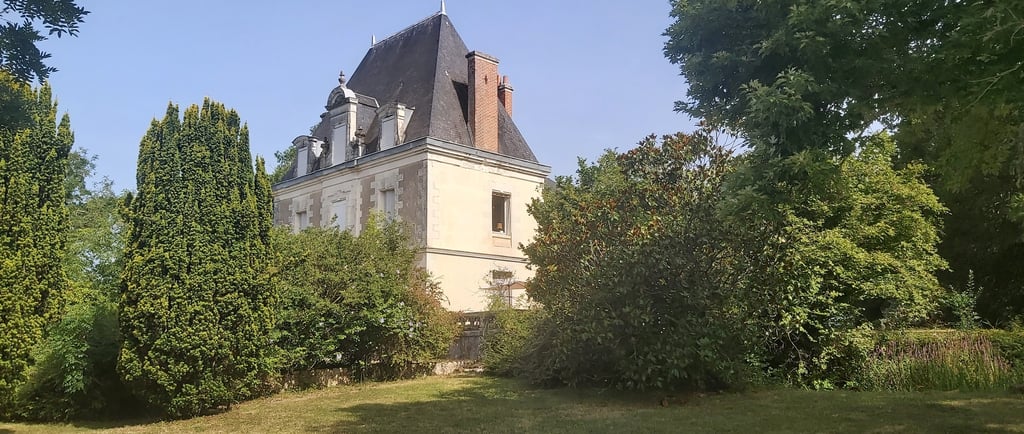
For many buyers looking at a château in France, one question appears early in the decision-making process: is it cheaper to renovate a château or buy one that has already been restored?
The answer is not always straightforward.
At first glance, a château requiring renovation may seem like the more affordable option. The purchase price is often lower, and buyers imagine they can renovate gradually over time. However, the true cost of a project goes far beyond the initial purchase price. In many cases, the better choice depends on the building's condition, the buyer's goals, and the level of renovation required.
Buying A Restored Chateau: What Are The Advantages?
A restored chateau France property offers immediate usability. The main advantages include:
fewer immediate works required
improved comfort and functionality
updated systems and infrastructure
greater certainty around project costs
faster occupancy or commercial use
For buyers who want a property that is ready to use, a restored château can be an attractive option. However, restored properties generally command a higher purchase price.
Renovate Chateau France: Why Buyers Consider It
Many buyers are attracted to château renovation France projects because they offer more flexibility. A château requiring renovation may allow owners to:
shape the project according to their needs
preserve original features
phase the works over time
potentially acquire a larger property for a lower purchase price
For some buyers, the opportunity to create a bespoke result is worth the additional complexity.
The Hidden Costs Of Renovation
When evaluating whether it is cheaper to renovate a chateau, many buyers focus only on visible work.
In reality, older châteaux often contain hidden issues such as:
structural instability
roof deterioration
moisture problems
outdated services
drainage issues
These elements can significantly increase the cost of renovating a chateau.
Without a detailed assessment, it is difficult to understand the true scope of work required.
Why Purchase Price Alone Can Be Misleading
A château priced lower than a restored alternative may initially appear to be a bargain.
However, buyers should consider:
renovation complexity
planning constraints
professional fees
ongoing maintenance
project duration
A low purchase price does not automatically translate into a lower overall investment.
This is one of the most common misconceptions in château projects.
Restored Chateaux Also Require Careful Evaluation
Even when buying a restored chateau France property, due diligence remains essential.
Buyers should verify:
quality of previous works
compliance with regulations
condition of hidden structural elements
suitability for intended use
Not all restoration projects are carried out to the same standard.
A professional review can reveal important information before purchase.
What Determines the Best Financial Decision?
The answer depends on several factors.
These include:
intended use of the property
long-term ownership plans
available budget
renovation appetite
building condition
For some buyers, a renovation project creates greater long-term value.
For others, purchasing a completed property reduces uncertainty and risk.
Why Professional Assessment Matters Before Buying
Whether purchasing a restored château or a property requiring renovation, professional analysis is essential.
An assessment helps identify:
structural risks
renovation requirements
planning constraints
realistic project scope
This information allows buyers to make informed decisions before committing to a purchase.
TH Architecture And Chateau Acquisition Projects
TH Architecture regularly works with buyers considering château purchases and renovation projects across France.
Timothy Harris helps clients understand the following:
the true condition of a building
renovation feasibility
architectural constraints
long-term project implications
This allows buyers to compare opportunities with greater confidence and clarity.
Looking Beyond The Initial Cost
The most successful château projects are not always those purchased at the lowest price. The best investment is often the property that offers:
realistic renovation potential
manageable constraints
architectural quality
long-term usability
A strategic approach helps avoid expensive surprises later.
Conclusion
So, is it cheaper to renovate a chateau or buy one already restored? The answer depends on the building, the buyer’s objectives, and the level of work required. A renovation project can offer flexibility and long-term value, while a restored château can provide greater certainty and immediate usability.
The key is understanding the true condition and potential of the property before making a decision. TH Architecture supports buyers evaluating château purchases and renovation opportunities across France.
If you are comparing a château renovation project in France with a restored property, discuss your plans with Timothy Harris to understand the opportunities, constraints, and long-term implications before moving forward.
FAQs
Is a renovated château always more expensive to buy?
Generally yes, but it may reduce renovation risks and immediate expenditure.
Can a château renovation cost more than expected?
Yes. Hidden structural and technical issues are common in historic buildings.
Should a château be assessed before purchase?
Absolutely. A professional assessment can reveal risks and opportunities not visible during viewings.
Is a renovation project a good investment?
It can be, provided the building is properly evaluated and the project is realistically planned.
English address: 16 Bronwen Crabtree Drive, Givons Grove, Leatherhead
French address: 2 Rue Paul Riquet, Fontiers Cabardès
+33634540127
+33430341314
contact@t-h-architecture.com