
Renovate Chateau France Restrictions: What You Can and Cannot Do
Renovate chateau France restrictions explained. Learn planning permission, heritage rules and what changes are allowed when renovating a château in France.
CHATEAU RENOVATION
4/19/20263 min read
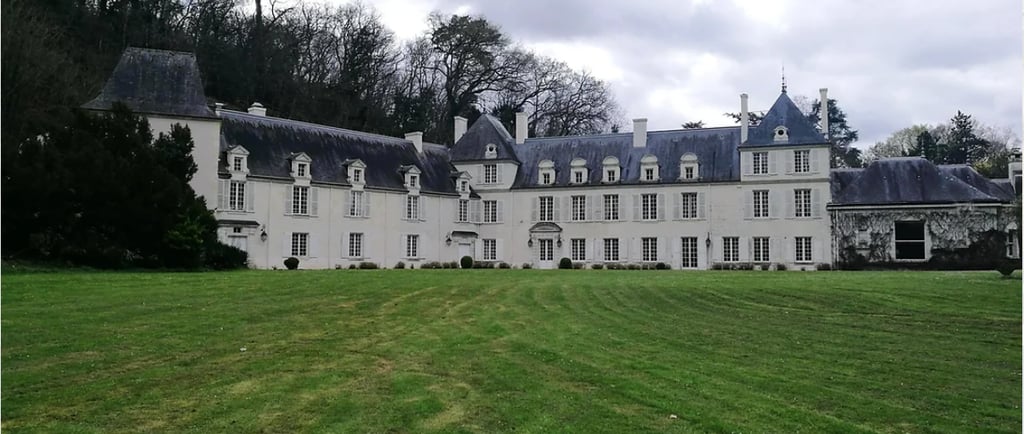
"Can You Renovate a Château in France Without Restrictions?" The short answer is no. You cannot freely renovate a château in France without restrictions. Most projects are governed by planning regulations, heritage rules, and administrative approvals that must be respected from the beginning. Understanding renovate chateau France restrictions is essential before starting any work. Without this, projects often face delays, refusals, or costly changes.
Why is Château Renovation Regulated?
Châteaux are part of France’s architectural and cultural heritage. Many are protected due to their historical value, location, or surrounding environment. This means renovation is not just a private decision. It must align with national and local regulations designed to preserve the character of the building. Even when a château is not officially listed, local planning rules still apply.
Listed Buildings and Heritage Restrictions
Some châteaux fall under protected status. These properties are subject to strict controls.
In these cases:
Exterior changes are highly regulated
Materials must match the original structure
Certain interior elements may also be protected
All works require approval before starting
This is where listed building France renovation becomes highly controlled.
Planning Permission Château France
Most renovation projects require formal approval. Planning permission chateau France is not optional for major works.
Approval is typically required for:
Structural changes
Extensions or modifications
Changes to façade or roof
Alterations visible from outside
Even smaller changes can require validation depending on the location.
What You Can Usually Do
Not all work is restricted. Some changes are generally allowed, especially when they do not affect the external appearance or protected elements.
These may include:
Interior layout adjustments
Upgrading systems such as heating or plumbing
Improving functionality of spaces
Maintenance and repair works
However, even these must respect the structure and character of the building.
What Is Often Restricted?
Certain interventions are more controlled and may be limited or refused.Common restrictions include:
Changing the external appearance
Using modern materials that conflict with the original style
Modifying historic architectural features
Extending the building in protected zones
Each project must be assessed individually.
The Impact of Location
Location plays a major role in chateau renovation France rules. A château in a protected zone or near a historic site will face stricter controls. Local authorities may impose additional requirements depending on the following:
Surrounding environment
Urban planning rules
Heritage classification
This is why a generic approach does not work.
Risks of Ignoring Restrictions
Failing to respect the renovate chateau France restrictions can lead to serious consequences.
These include:
Refusal of planning applications
Suspension of construction work
Legal issues
Requirement to reverse completed work
These risks can significantly delay or compromise a project.
How to Navigate the Process
A successful renovation requires a structured approach from the start.
This includes:
Assessing the legal status of the property
Understanding applicable regulations
Preparing proper documentation
Coordinating with local authorities
This process ensures that the project moves forward without unnecessary complications.
Role of an Architect
An architect chateau France specialist is essential in navigating restrictions. They ensure that design, compliance, and execution are aligned.
They help:
Interpret regulations
Define what is possible
Prepare approval documents
Manage the project effectively
This reduces risk and improves project outcomes.
Conclusion
You cannot renovate a château in France without restrictions. Regulations are a fundamental part of the process and must be integrated from the beginning. Understanding these constraints allows you to plan correctly and avoid costly mistakes.
TH Architecture works on château renovation projects in France, ensuring full compliance with regulations while maintaining the integrity of historic buildings. If you are planning to renovate a château, discuss your project to understand what is possible before starting.
FAQs – Renovate Château France Restrictions
Can you renovate a château without permission in France?
No. Most projects require planning permission and must comply with regulations.
Are all châteaux protected buildings?
Not all, but many are subject to heritage or local planning restrictions.
Can you change the interior freely?
It depends on the building status. Some interior elements may also be protected.
What happens if you ignore renovation rules?
Projects can be stopped, refused, or require reversal of completed work.
English address: 16 Bronwen Crabtree Drive, Givons Grove, Leatherhead
French address: 2 Rue Paul Riquet, Fontiers Cabardès
+33634540127
+33430341314
contact@t-h-architecture.com